
High attrition and rehiring costs
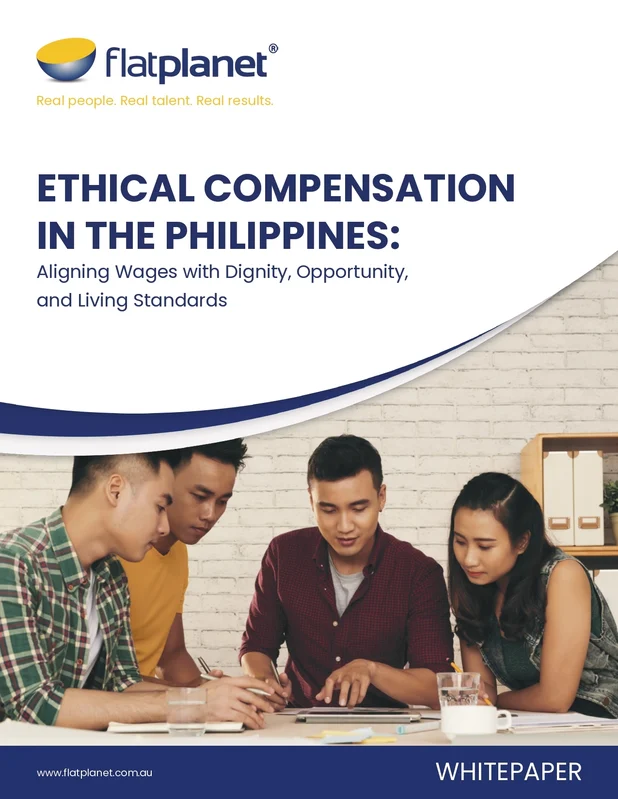
Ethical Compensation: The Hidden Driver of Outsourcing Success
Is your offshore strategy built on sustainable growth or reputational risk?
As Australian businesses increasingly outsource to the Philippines for its highly skilled, English-proficient workforce, the traditional “lowest-cost labour” model is becoming a long-term liability. While cost savings may appear attractive, underpaid offshore staffing often leads to high attrition, compliance exposure, and reputational risk.
Ethical compensation in the Philippines is no longer optional for Australian companies — it is a strategic foundation for sustainable offshore success.
This framework provides a rigorous, data-informed approach to navigating Filipino compensation structures responsibly. Grounded in the historical principles of the Australian Harvester Judgement, it establishes a modern “line in the sand” between exploitative wage models and genuine, opportunity-driven employment for offshore teams.
By aligning compensation with market realities and ESG expectations, Australian businesses can build stable, high-performing offshore teams while protecting brand integrity.
Why Ethical Compensation Matters in Offshore Outsourcing
Underpaying offshore teams may reduce short-term costs — but it increases:
Forward-thinking Australian companies are shifting from low-cost labour models to sustainable, market-aligned compensation frameworks that prioritise dignity, workforce stability, and long-term value creation.
Ethical offshore compensation is not a cost centre — it is a strategic investment in performance, retention, and scalable growth.
Why Download This Whitepaper?
ESG & Regulatory Compliance:
Understand the implications of the 18% gender pay gap and how to align offshore employment contracts with International Labour Organization (ILO) standards and Philippines DOLE regulations — reducing litigation risk and strengthening governance compliance.
A Phased Implementation Roadmap:
Access a structured, four-phase pathway to transition your offshore workforce from cost-driven outsourcing toward a dignity-centred, high-performance compensation model.
Master the Four Methodologies:
Gain a structured analysis of:
- Exploitative pay models
- Statutory Minimum Wage frameworks
- Market Rate compensation structures
- Aspirational Parity models
Identify which compensation philosophy best aligns with your Australian brand, ESG commitments, and long-term outsourcing strategy.
ESG & Regulatory Compliance:
Understand the implications of the 18% gender pay gap and how to align offshore employment contracts with International Labour Organization (ILO) standards and Philippines DOLE regulations — reducing litigation risk and strengthening governance compliance.
A Phased Implementation Roadmap:
Access a structured, four-phase pathway to transition your offshore workforce from cost-driven outsourcing toward a dignity-centred, high-performance compensation model.
Stop viewing offshore compensation as a short-term cost reduction strategy.
Start seeing it as a long-term investment in human capital, workforce stability, and sustainable outsourcing success for Australian businesses.
Frequently Asked Questions
What is ethical outsourcing in the Philippines?
Ethical outsourcing in the Philippines refers to building offshore teams that are compensated at fair, market-aligned or living wage levels rather than minimum statutory rates. For Australian businesses, this means balancing cost efficiency with responsible employment practices, workforce stability, and long-term sustainability.
Why should Australian businesses prioritise ethical compensation when outsourcing?
Australian companies face increasing scrutiny around ESG standards, governance transparency, and supply chain responsibility. Paying fair wages in offshore staffing arrangements reduces attrition, improves productivity, protects brand reputation, and ensures alignment with international labour standards.
What is considered a fair or living wage in the Philippines?
While statutory minimum wages vary by region, living wage estimates suggest a Filipino family requires approximately PHP 37,000–38,000 per month to maintain a reasonable standard of living. Ethical outsourcing strategies typically benchmark compensation closer to market or living wage levels rather than minimum wage rates.
What is a whitepaper and how does it help Australian businesses?
A whitepaper is a detailed, research-backed report designed to help business leaders understand complex topics and make informed decisions. In the context of offshore staffing in the Philippines, this whitepaper provides data, compensation benchmarks, regulatory insights, and a structured implementation roadmap to help Australian businesses build ethical and sustainable outsourcing models.
What will I learn from the Ethical Compensation whitepaper?
The whitepaper explains Filipino compensation benchmarks, compares minimum wage and market-rate models, outlines ESG and compliance considerations, and provides a phased roadmap for implementing fair offshore pay structures. It is designed to support Australian decision-makers responsible for outsourcing and offshore workforce strategy.
Is ethical offshore staffing more expensive for Australian companies?
While salary benchmarks may be higher than minimum wage models, ethical offshore staffing often results in long-term cost savings. Reduced turnover, improved employee engagement, better compliance alignment, and stronger operational continuity typically outweigh short-term payroll differences.